
These are the Chinese postpartum recipes my family made for me every single day for the first month after my baby was born, allowing me to focus on rest and recovery. This postpartum recipe guide contains mostly Chinese postpartum soup recipes: I drank a bowl three times a day (no exaggeration), but it also contains a few non-soup recipes if you’re feeling souped out. I also shared my Chinese confinement culture (what my family knows) and how important recovery is during the postpartum period.
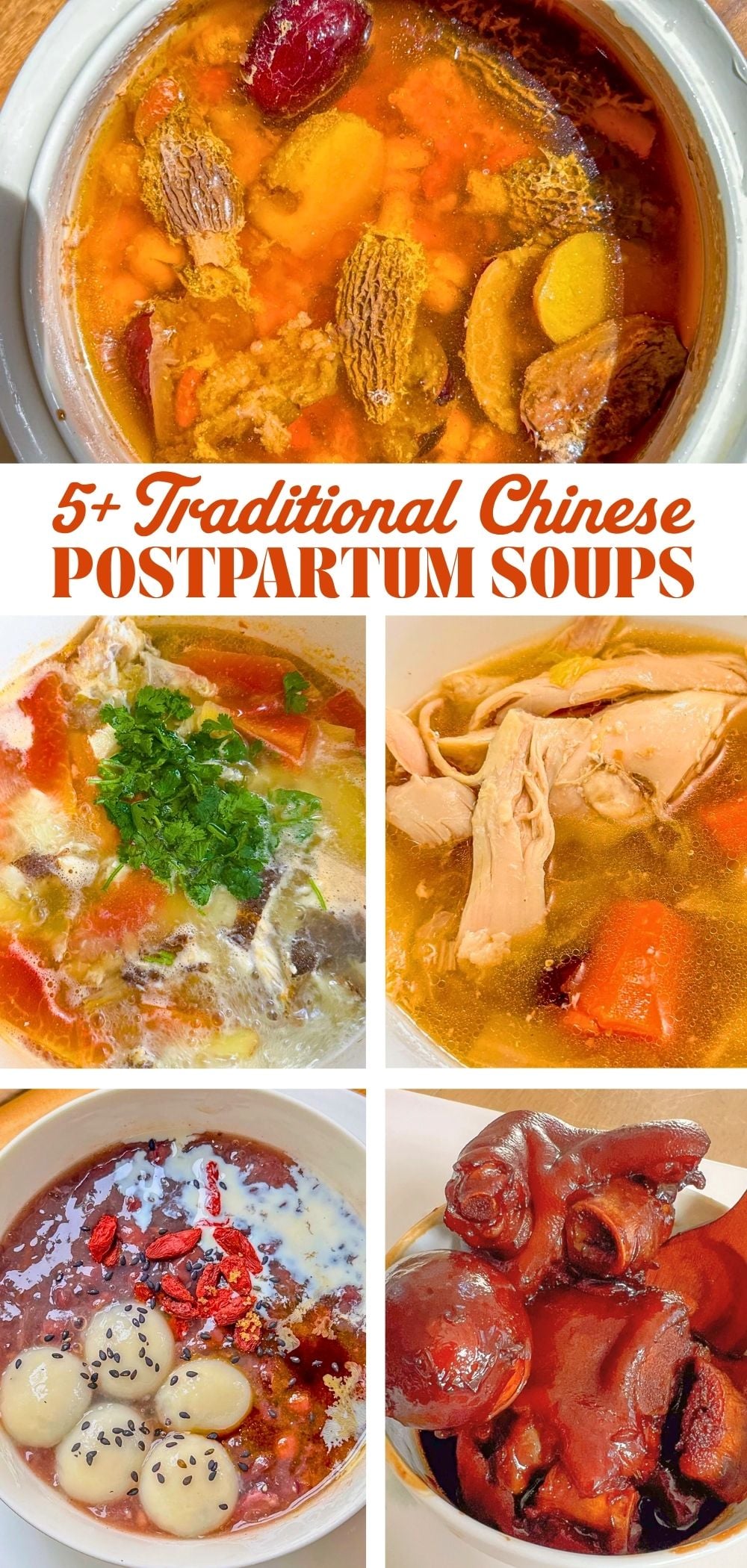
🔍 Quick Look: Chinese Postpartum Recipes
- What is it? We’re sharing recipes that Chinese postpartum women eat after giving birth. This is how we recover from birth and the rules (backed by tradition) that we follow during the Chinese confinement period.
- Why you’ll love this recipe: Almost everything here is warm cooked foods (nutritional and good for your stomach). They are light (healthy and little oil) and packed with protein, which is great for breastfeeding or gaining energy back.
- 🔥 Cook Method: One pot soup recipes and lots of steaming to ensure hydrating and healthy meals for the postpartum mom! Nothing is deep-fried.
- 👩🍳 Flavor Profile: Lots of ginger (warm, not spicy), mild sweetness from jujube and goji, and light, clean broths where you can taste every ingredient.
Summarize & Save this content on:
What is “sitting the month”?
In Chinese culture, the first month after giving birth is dedicated for rest and recovery. New moms typically stay home with lots of warm and nourishing food, while the family takes care of everything else. In Chinese, it’s called “zuo yue zi” which roughly translates to “sitting the month” or “confinement” (which feels icky in English, but it’s much more pleasant in Chinese).
Sitting the month is an ancient Chinese tradition, with the earliest record being more than 2,000 years ago in Confucian texts. The thinking stems from Traditional Chinese Medicine, where pregnancy and birth are believed to deplete the body, making it vulnerable to “wind” and “cold”. If the body is not taken care of properly during this time, the postpartum mom is vulnerable to many illnesses later in life. To prevent the ‘wind’ and ‘cold,’ the mom is focused on warmth: warm food, warm water, staying covered up, and lots of ginger to replenish the body.
China isn’t the only place that “sits the month”. It also happens in Korea (“sanhujori” for ~21 days), in Latin America (“la cuarentena” which literally translates to “the forty days”), in parts of India (“jaapa”), in Vietnam and in Japan. Different cultures, but the same idea: for the first month, the family gathers around to take care of the new mom.
Jump to:
The Rules of Chinese Confinement: What to do (and not)
Sitting the month isn’t just about what you eat. What’s equally important is what you do and not do during that month. These are the rules I tried to follow as I’m Chinese-American mom. For me, some rules didn’t make sense for me like not showering for 30 days. Feel free to modify them to whatever is feasible for you and your family.
- Rest, actually. It seems obvious, harder than you think especially in that first month. The whirlwind of emotions (anxiety, depression, fear, etc) will sometimes distract you from the #1 priority: rest. Rest means no chores (especially no heavy lifting), as much sleep as you can get, and only light movement.
- No heavy lifting, no stairs. Nothing heavier than the baby. Ask your husband/partner to carry the laundry or to get whatever you need downstairs.
- Stay warm and “out of the wind”. I learned this from my doula who specialized in Traditional Chinese Medicine. The Chinese belief is that a weakened body is like a door wide open to “wind” and everything in this month is about keeping them out. That’s why I wore long socks, long sleeves, and extra layers; in addition, I avoided any fan or air conditioning blowing directly on me. Traditionally, postpartum moms are also advised not to shower in the first month: the worry is that a gust of wind could attack the body after leaving the shower. I chose not to follow that, but I made sure that I had a towel and layers of clothes ready for me the moment I finished showering.
- Wash hair with warm ginger water, never cold. Traditionally you don’t wash your hair at all for the first weeks. The family version is a warm ginger-water rinse, and dry your hair right away. Always blow dry your hair so you don’t catch a draft.
- Nothing cold. No ice water, no cold drinks, no salads or raw food. Warm water all day, and every soup on this list should be served hot in the first month. This helps with your digestion and blood circulation.
The postpartum pantry
Here’s a look at what you need to cook your way through this list. The highlights are here but the full ingredient list and quantities for each dish are in its own recipe card. Everything is at any Asian grocery store, and jujube and goji berries are showing up at regular supermarkets now too. All these ingredients help warm the mom’s body and are considered ‘medicine’ while the body is vulnerable and weak.
- Ginger, and a lot of it. Ginger is the backbone of every recipe here because it is the holy grail superfood in Traditional Chinese Medicine, keeping the body warm and replenishing energy.
- Jujube (Chinese red dates) and goji berries. These two fruits provide a gentle, honey-like sweetness in the pork and ginger soup. They also replenish blood and are a warming food (in Traditional Chinese Medicine).
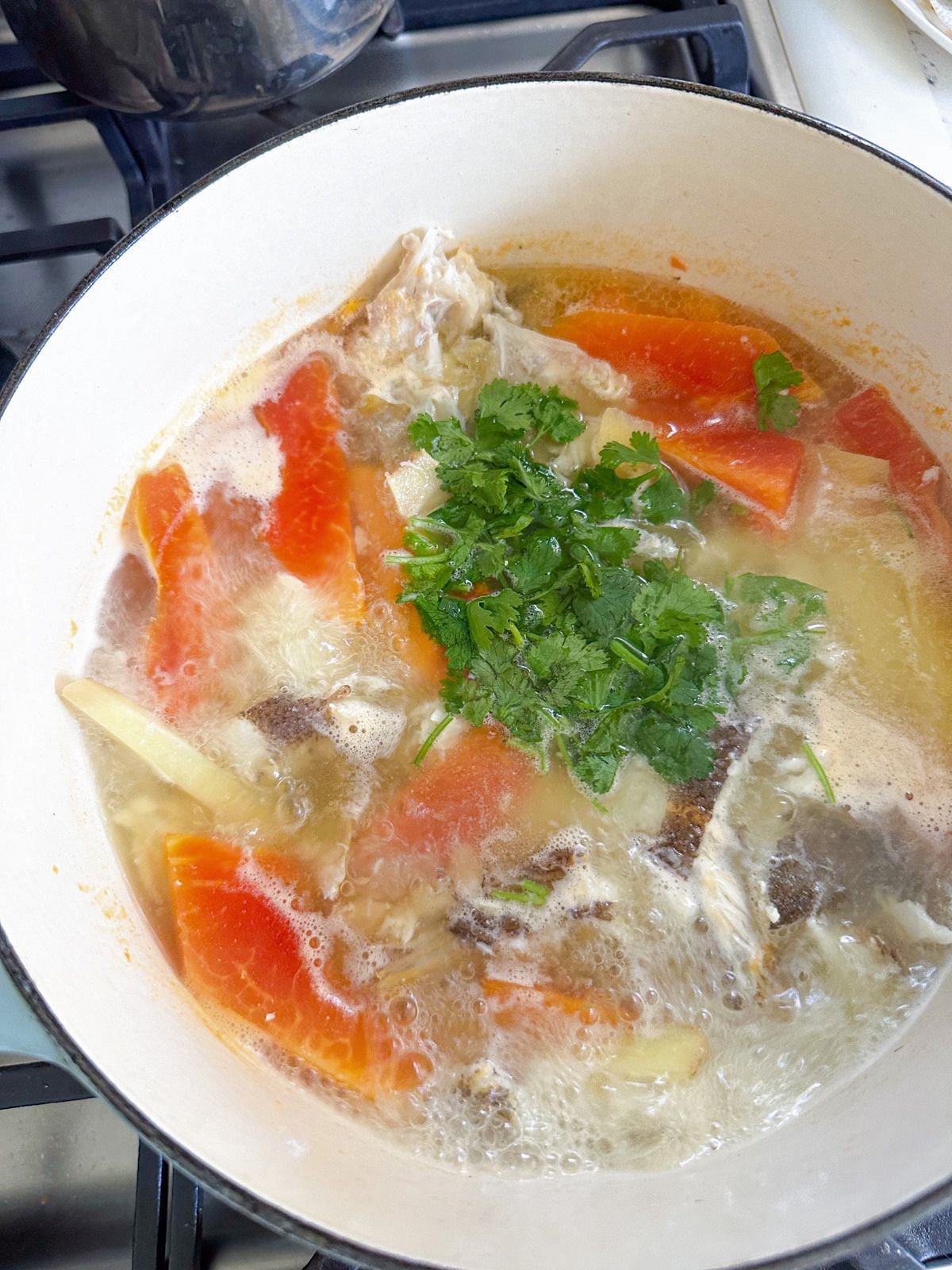
- Ripe papaya. For the fish soup, we use the sweet orange fruit (not the green one!), so the broth comes out naturally sweet. This ingredient really helped with my milk supply in the first week.
- Sweetened Chinese Black Vinegar. The central ingredient for the pork knuckle stew so it’s tangy and rich at the same time. Combined with ginger, this will make the body feel extra warm.
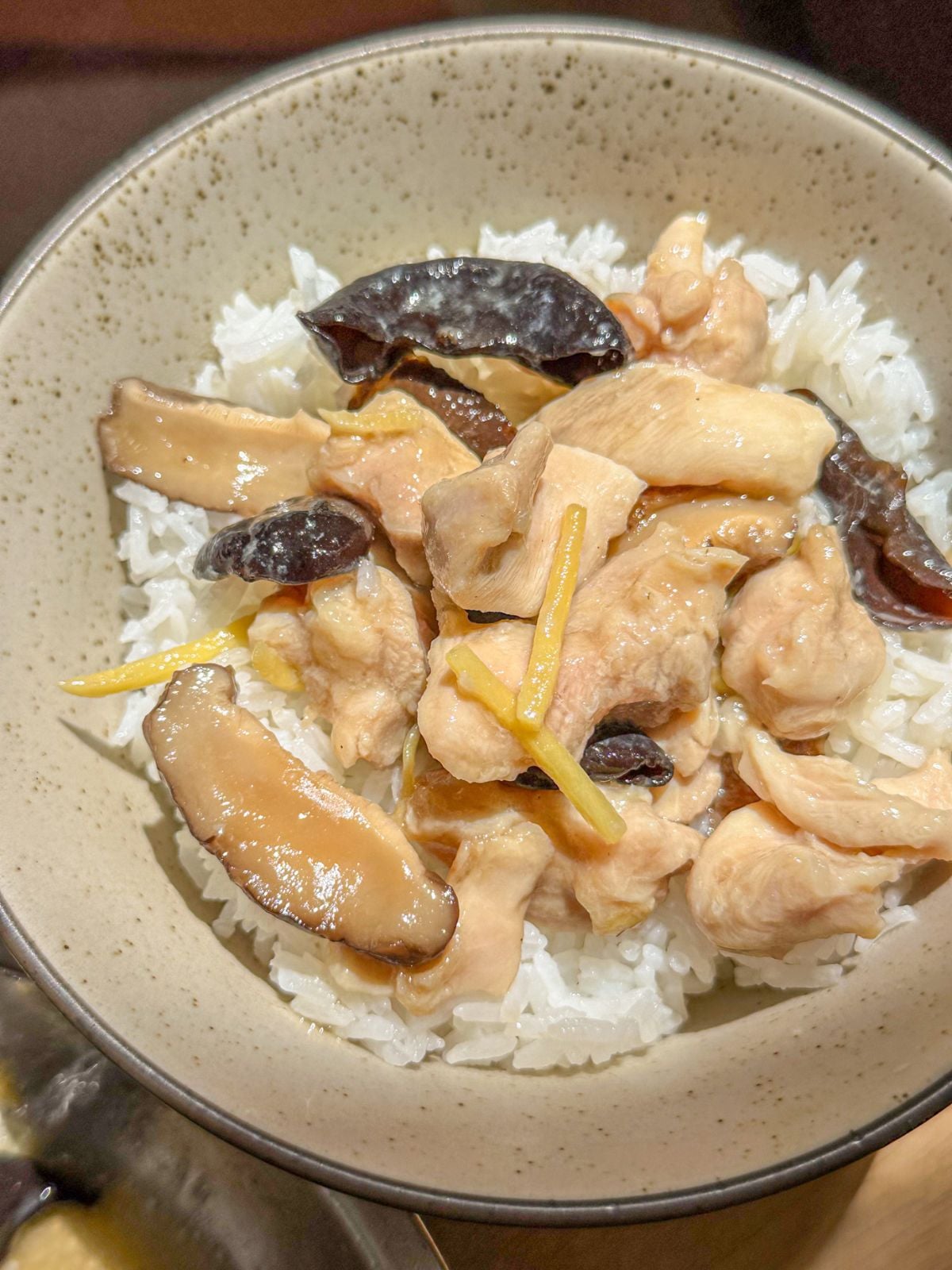
- Shiitake mushrooms. Earthy umami in the steamed chicken and the pork and ginger soup. Shiitake mushrooms as well as wood ear mushrooms help replenish blood.
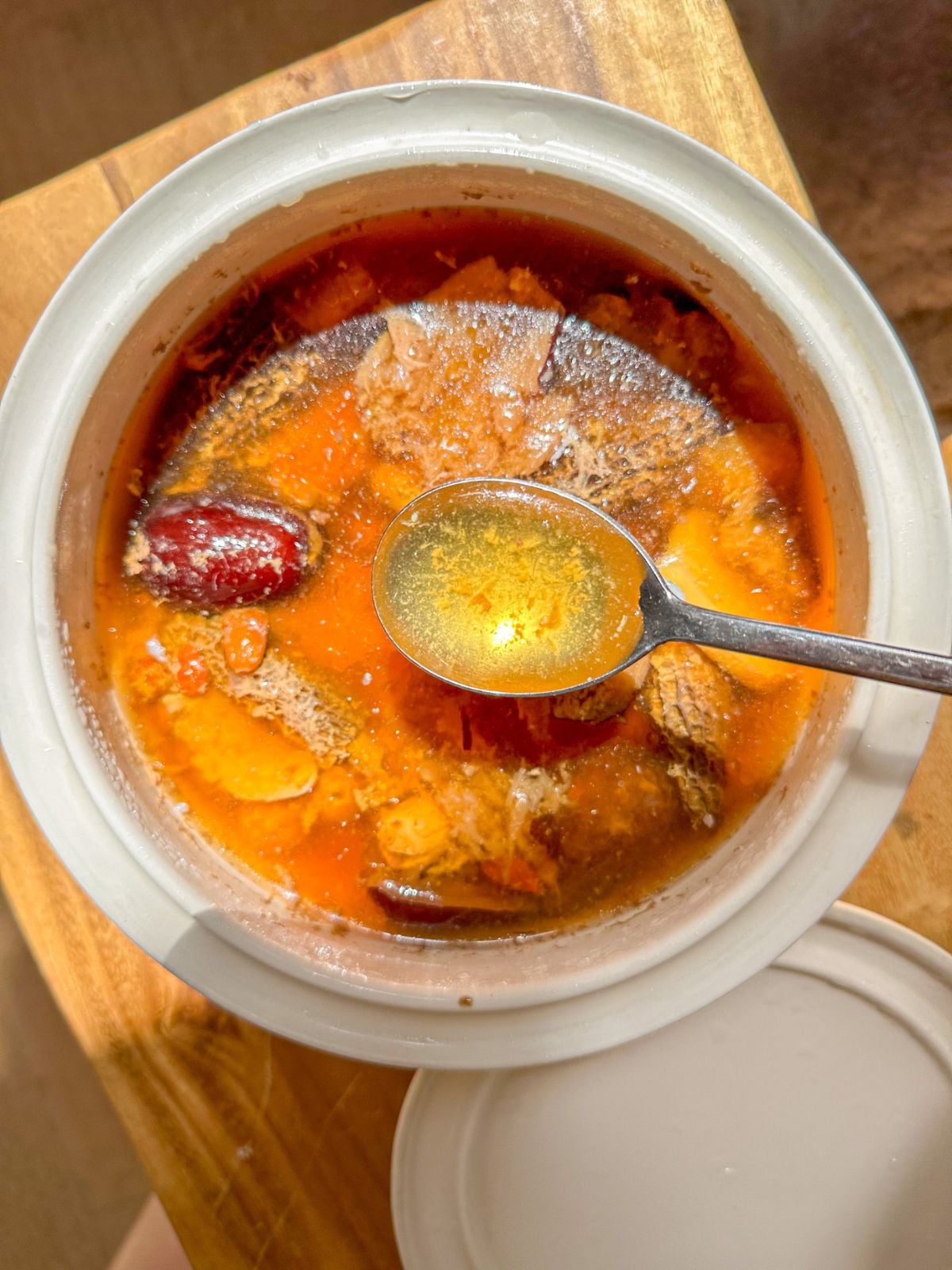
Chinese Postpartum Soup Recipes



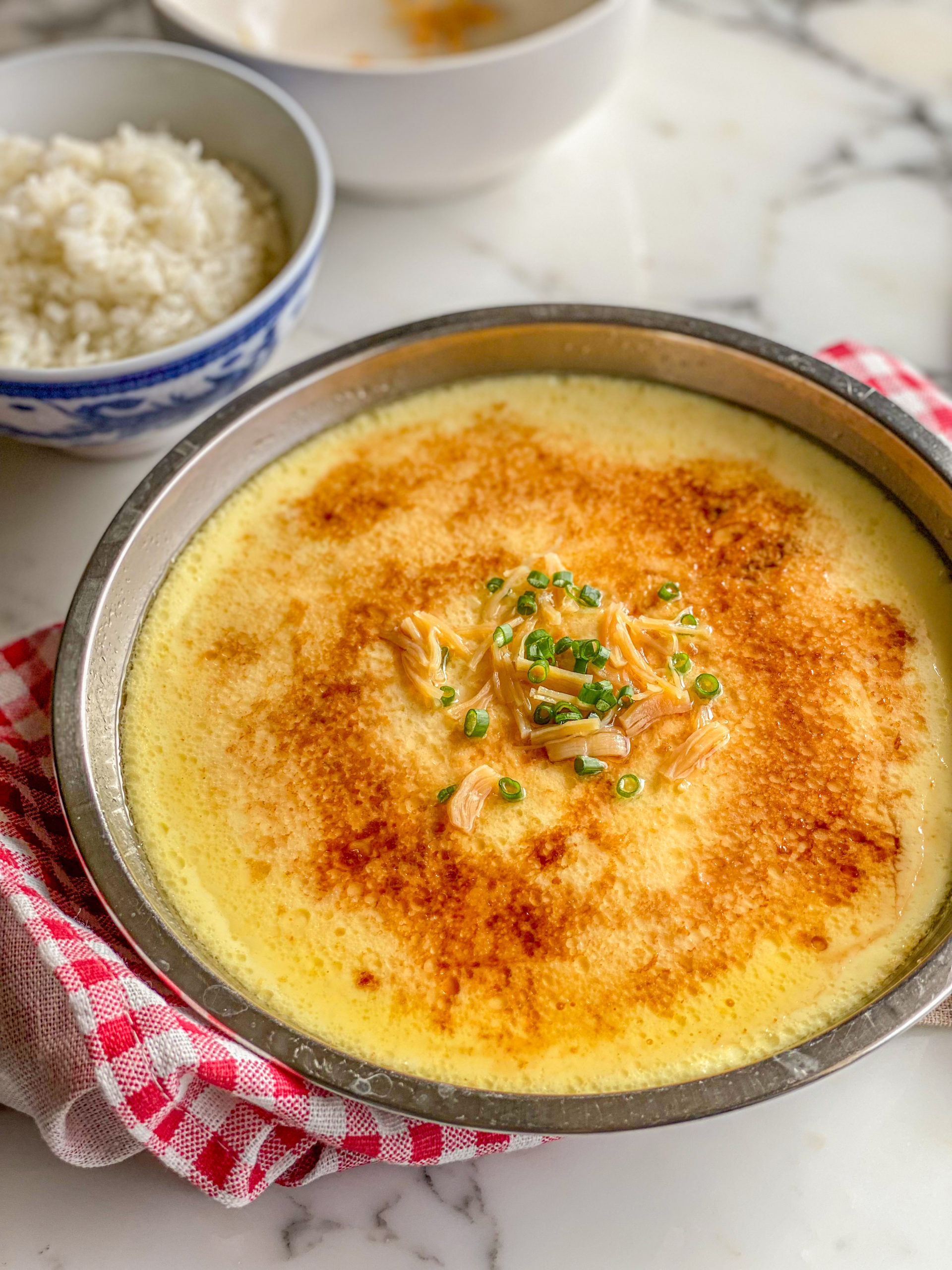
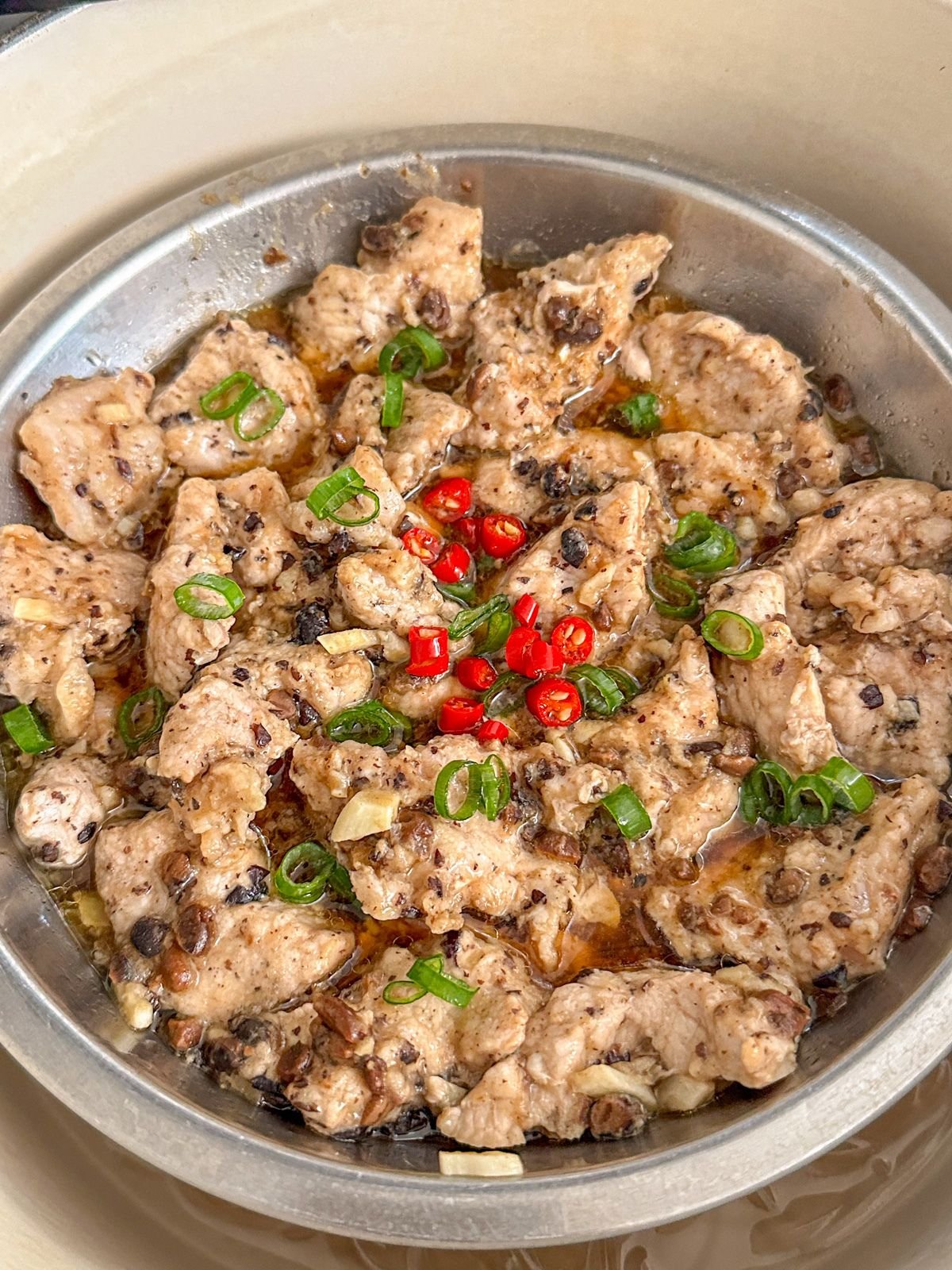
More Chinese Postpartum Meals (Steamed)


Expert Tips For Postpartum Moms
These are tips that I recommend for moms that just gave birth based on Traditional Chinese Medicine. This is advice that is given by my doula (who was an expert on Chinese medicine and acupuncturist) as well as following advice given by my Chinese parents. This is not an exact science, just tradition.
- Drink hot liquids as much as you can to bring warmth to your body. This will help with digestion and ensure you don’t catch a draft.
- Keep warm after showers. Always blow dry your hair after bathing and keep yourself warm.
- Eat more ginger than usual. We add more ginger than normal to everything in this month. It won’t be spicy, just fragrant and warming. Ginger dispels cold wind and brings warmth to the body.
- Rest as much as you can! Easy movement while your body heals and little chores as much as possible. Your body went through lots of trauma, so take it easy to prevent future damage to the body.
Chinese Postpartum Recipes FAQs
Warm and protein-rich food especially in the first month, like ginger and vinegar pork knuckle stew, pork and ginger soup, papaya fish soup and steamed chicken.
Rest is the #1 priority (no chores!). Beyond that: no heavy lifting or stairs, stay warm & out of the “wind”, wash your hair with warm ginger water, and nothing cold to eat or drink. Traditionally moms don’t shower for the whole month to prevent wind entering your body; I didn’t follow that one, so adjust the rules to what works for you and your family.
Fish and papaya soup is the classic Cantonese remedy for breastmilk, and it’s why I drank it every day (even though I don’t like papaya). Remember: this is only rooted in tradition & not backed by science.
Yes, and please do. My family makes the same soups when someone is sick or when it’s cold out. The pork and ginger soup has no medicinal herbs in it at all, so it’s just a light, protein-packed soup anyone can drink.
The main difference is in the taste! Pork knuckle ginger stew is rich & tangy because of the extra ginger and sweetened vinegar, while the pork and ginger soup is light & warm like a chicken noodle soup.


Leave a Comment