
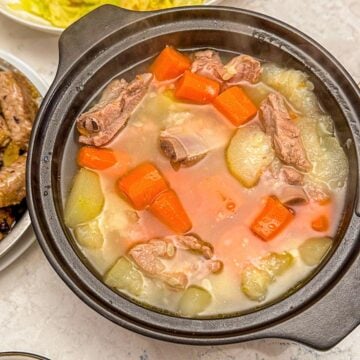
This Chinese Pork and Ginger Soup is perfect for postpartum or whenever you’re feeling unwell. The nourishing broth is filled with jujubes and goji berries, which results in a mild sweet flavor. For whatever occasion, this Chinese soup is delicious and will heal you from the inside.
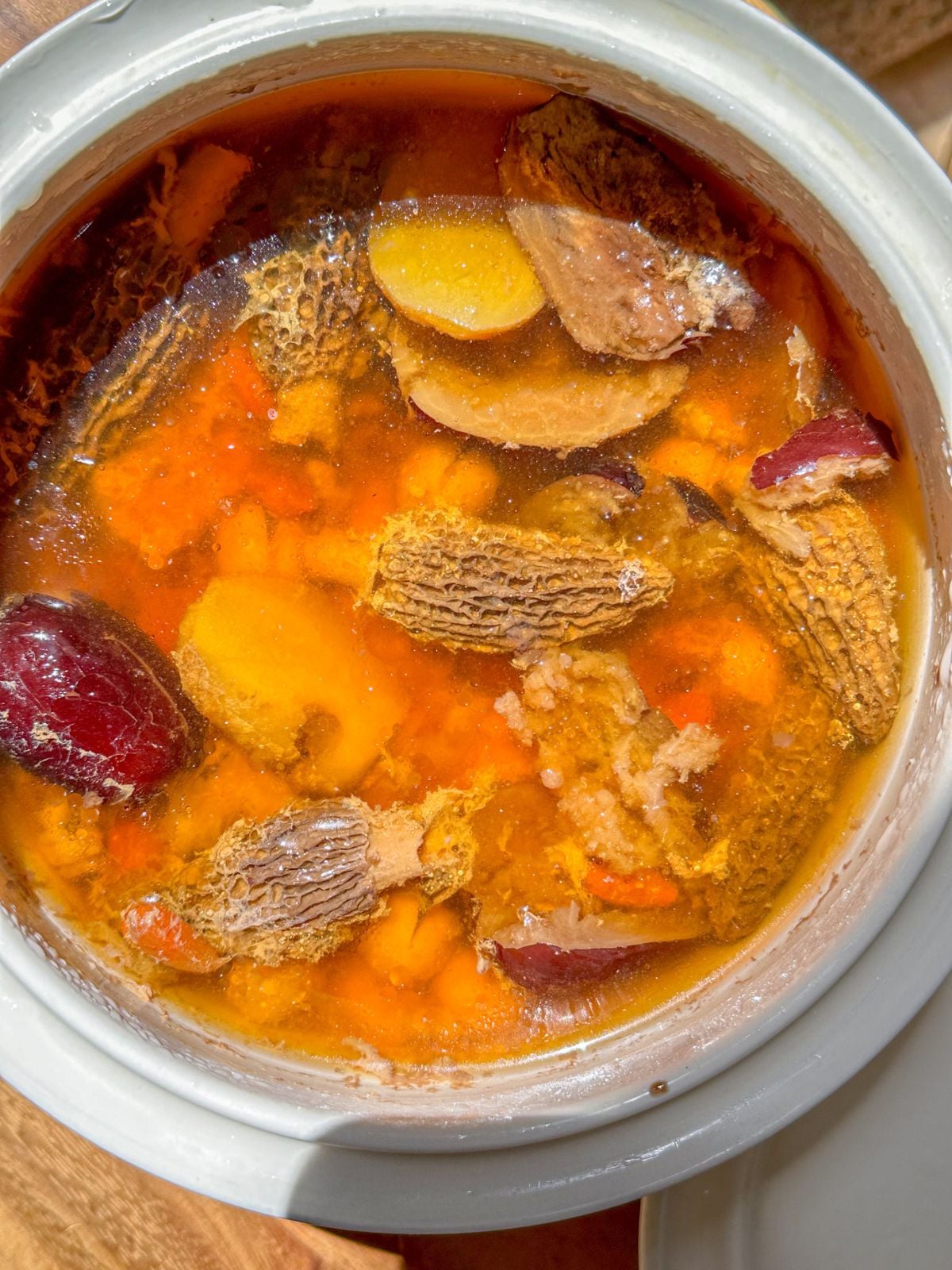
🔍 Quick Look: Chinese Pork and Ginger Soup
- What is it? Chinese Pork and Ginger Soup is a traditional soup that’s commonly eaten during the postpartum period. You can also make this soup when you’re feeling ill or for the elderly because the broth is gentle on the stomach.
- Why you’ll love this recipe: This is a simple one-pot soup that’s both comforting and nourishing to the body. The soup is not heavy, lightly salted, and a little sweet, which makes it easy to digest. If a warm bowl of soup is your kind of comfort food, my No-Water Chinese Chicken Soup is another recipe you’ll have to try!
- 🕒 Total Cook Time: 3 hours double-boiling (plus soaking the mushrooms).
- 🔥 Cook Method: This recipe uses the traditional Chinese double-boiling (dun tang) method, where all the ingredients are placed in a ceramic pot and gently steamed for 2–3 hours. This slow cooking technique creates a clear, delicate broth while allowing the ingredients to release their natural flavors. If you don’t have a double boiler, you can achieve similar results by placing the ingredients inside a ceramic pot with simmering water.
- 👩🍳 Flavor Profile: This dish has a light and delicate broth with natural sweetness from the red dates and goji berries. The ginger adds a gentle warmth (not spicy at all!) while the mushrooms bring an earthy, savory depth.
- ⭐ Difficulty: Easy. The prep is simple—just soak the mushrooms, slice the pork and add everything to the ceramic pot to boil. Most of the work is hands-off while the soup slowly cooks, making it an excellent recipe for busy families or new parents who want a nourishing meal with minimal effort.
Summarize & Save this content on:
Why is this a postpartum recipe?
After having my baby, my parents made me this Chinese Pork and Ginger Soup everyday for a whole month during my confinement period (1 month at home). I drank this three times a day and slowly the soup rehydrated me and warmed up my body. In Traditional Chinese Medicine, warm and nutrient-rich soups have long been valued as part of postpartum recovery and are traditionally believed to help restore strength, replenish the body, and support the transition after childbirth. The postpartum season can be exhausting and having this warm bowl of soup became my little moment of comfort, nourishment and self-care.
You can still drink this soup even if you are not postpartum! The soup is light, protein packed and doesn’t include any medicinal ingredients, perfect if you want something nourishing and healing!
If you’re looking for more easy and nourishing postpartum recipes my Hot Japanese Soba Noodles, Steamed Chicken with Mushrooms, Fish and Papaya Soup, Seolleongtang (Ox Bone Soup) and Chinese Pork and Squash Soup are must-try dishes to add to your meal rotation.
Jump to:
- 🔍 Quick Look: Chinese Pork and Ginger Soup
- Why is this a postpartum recipe?
- Key Ingredients
- Substitutions and Variations
- How to Make Chinese Postpartum Soup
- Expert Tips
- Cooking Methods for ‘Dun Tang’
- Chinese Postpartum Soup Recipe FAQs
- Check Out More Nourishing Chinese Soup Recipes:
- Chinese Postpartum Pork and Ginger Soup
Key Ingredients
Here’s a look at what you need to make this Chinese Postpartum Soup. The highlights are here but the full ingredient list and quantities of each are in the recipe card.
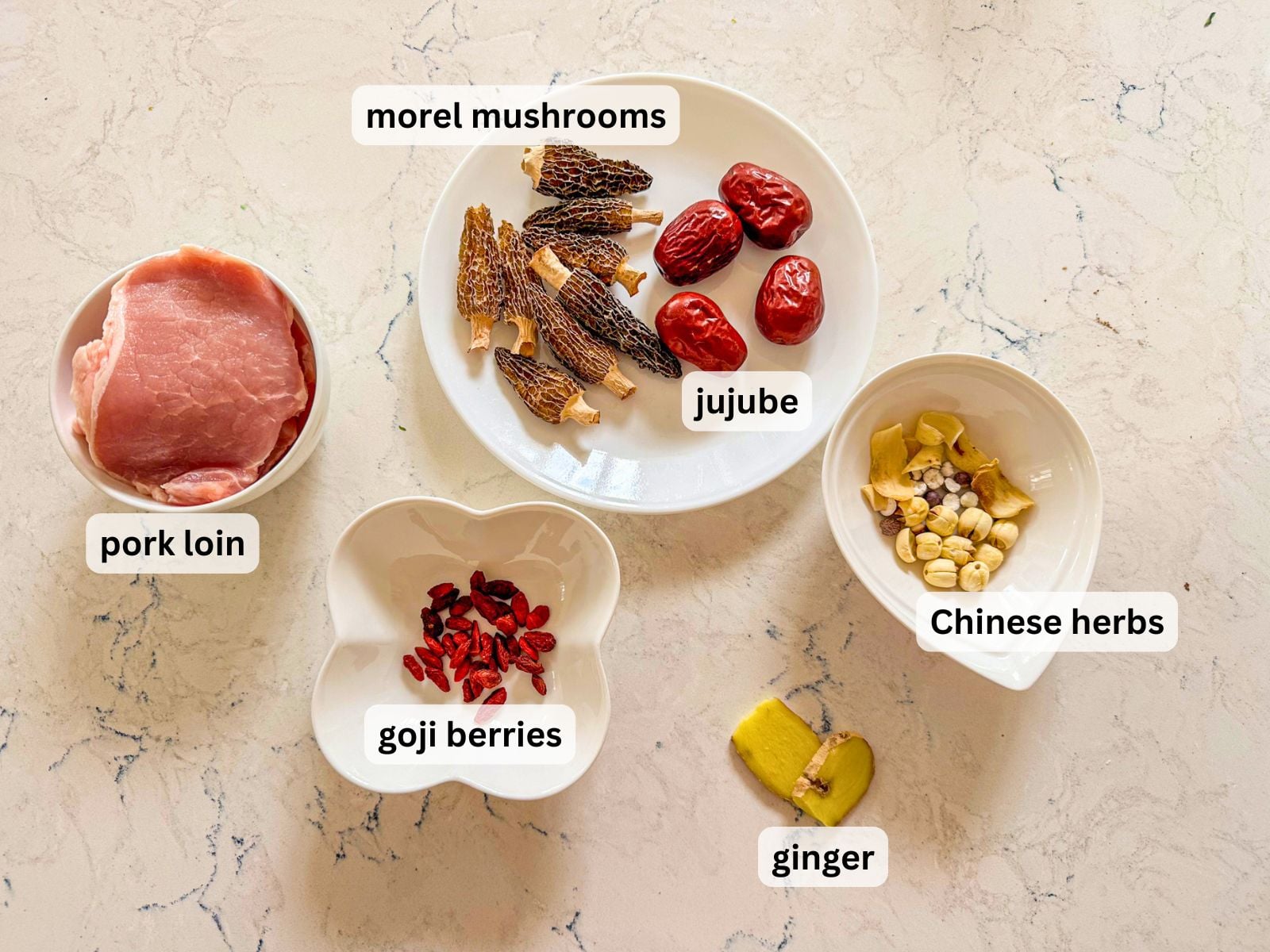
- Pork loin – lean pork is used to restore blood and replenish iron. We decided to choose a non-fatty cut with no bone to make it lighter on the stomach. Feel free to use pork ribs or bone-in chicken for delicious taste and nourishing results.
- Jujube known as red dates are great for restoring energy and build blood after childbirth. They also add a nice sweetness to the soup. Remember to take out the seed!
- Shiitake mushroom or morel mushrooms – I used morel mushrooms as they are perfect for postpartum or sickness to build strength and improve digestion. If you can’t find morel mushrooms at the Chinese grocery store (like 99 Ranch), you can use dried or fresh shiitake mushrooms.
- Goji berries – provide a sweet flavor and help nourish the blood. Don’t skip this to ensure sweet flavor in your soup.
- Ginger – adds warmth to the body and takes away any gaminess of the meat. Essential to make your Chinese soup!
- Chinese herbs (optional) – astragalus membranaceus, codonopsis root, Chinese Yam, polygonatum odoratum is used for medicinal purposes and makes the soup taste sweet and bitter (in a good way!). Find these at a Chinese grocery store in the dried herbs aisle.
Substitutions and Variations
- If you don’t have pork loin, you can use lean pork tenderloin, pork shoulder (for a richer broth), chicken breast or chicken thighs. For a more traditional postpartum soup variation, black chicken is a popular substitute that creates a comforting and nourishing broth.
- While morel mushrooms add an earthy depth to the soup, you can substitute with shiitake mushrooms.
- If you want a more gourmet soup, add abalone to the soup. The broth will instantly taste more umami and sweet!
How to Make Chinese Postpartum Soup
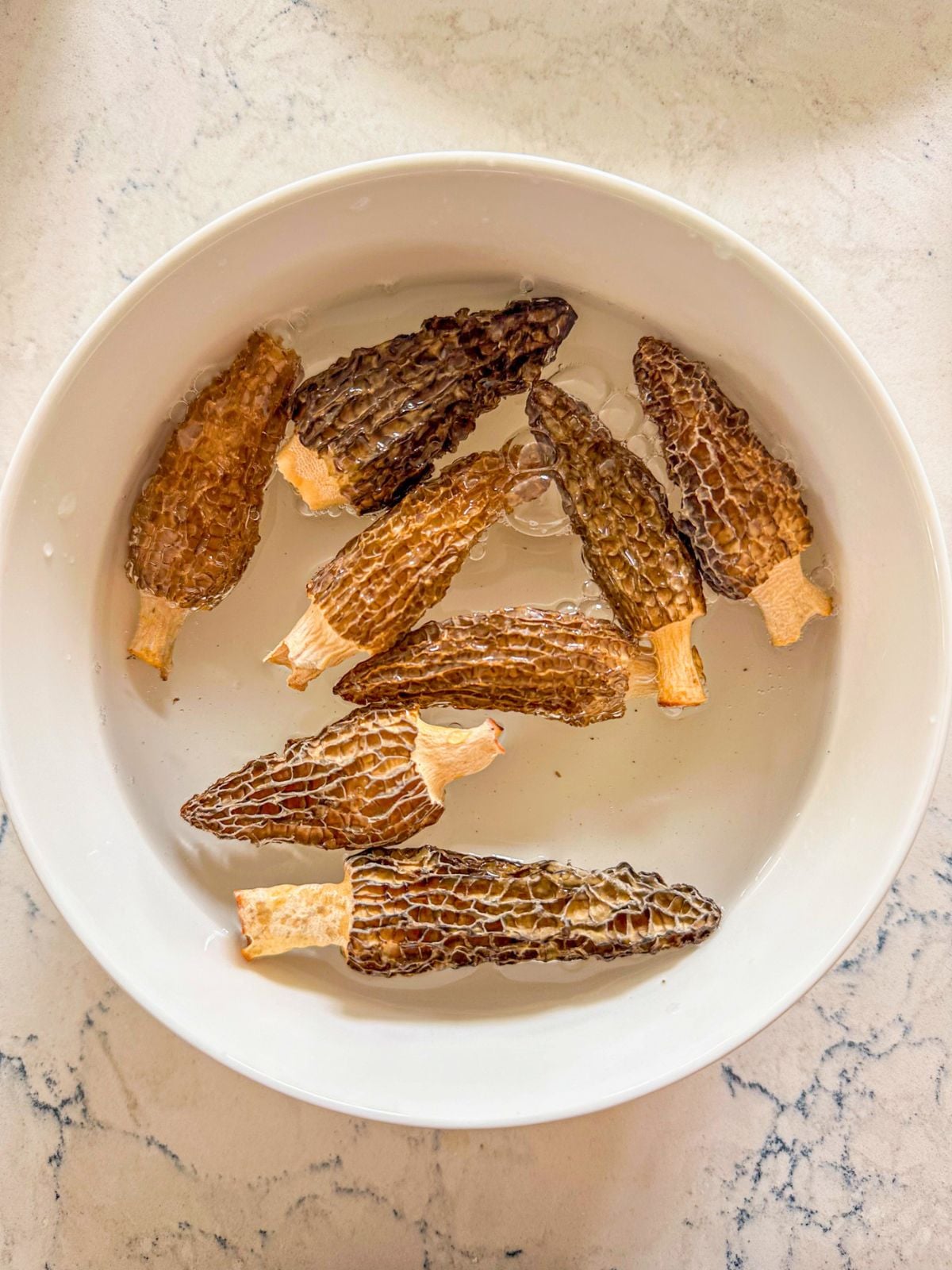
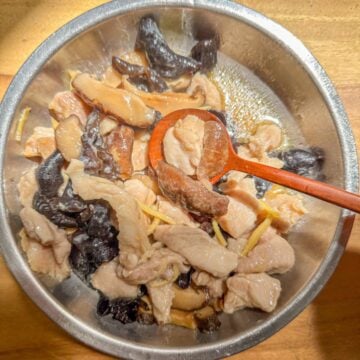
Step 1: Soak your morel mushrooms or shiitake mushrooms in water until rehydrated.
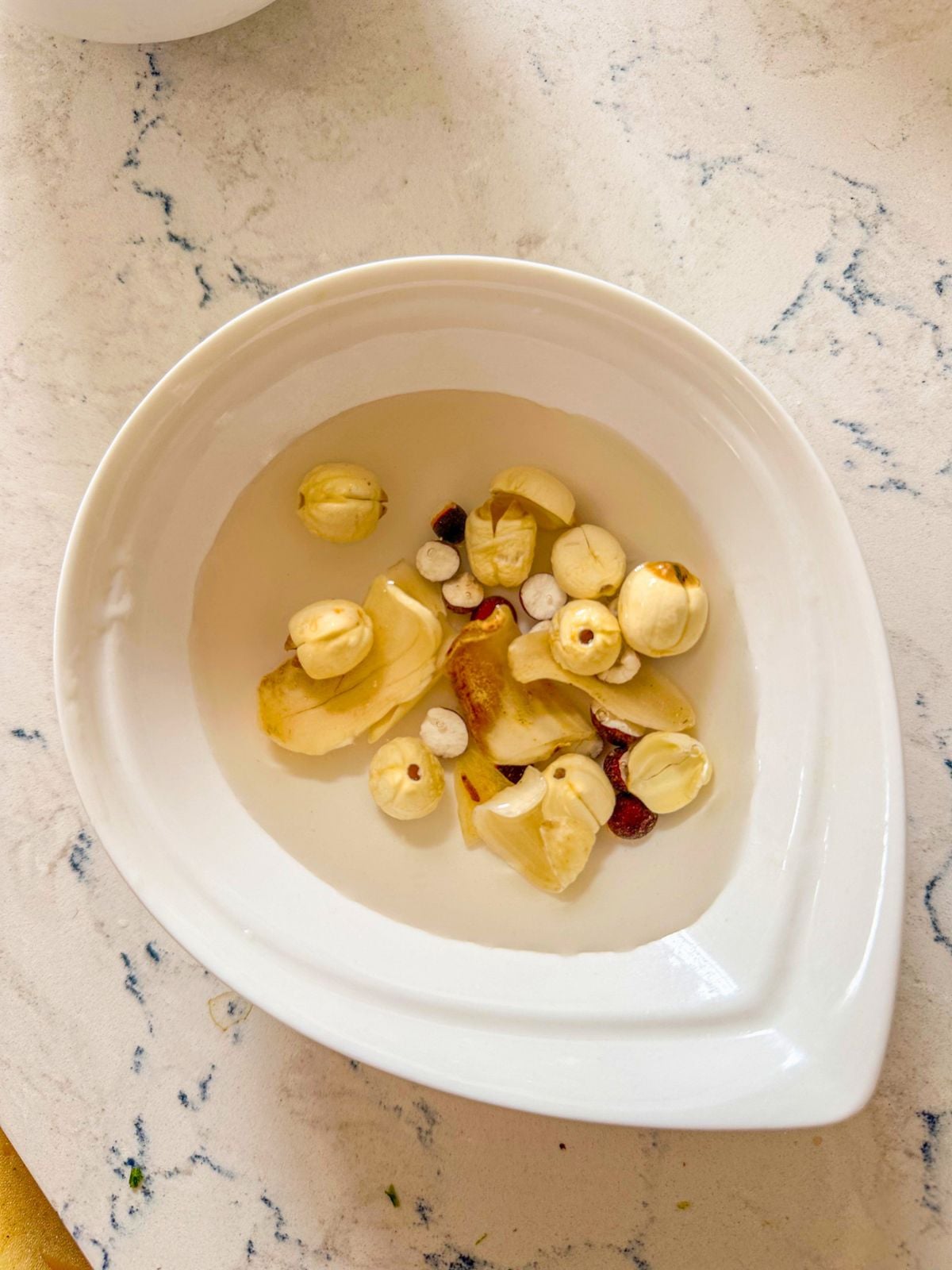
Step 2: (Optional step) If you are using Chinese herbs, make sure to rinse them in water.
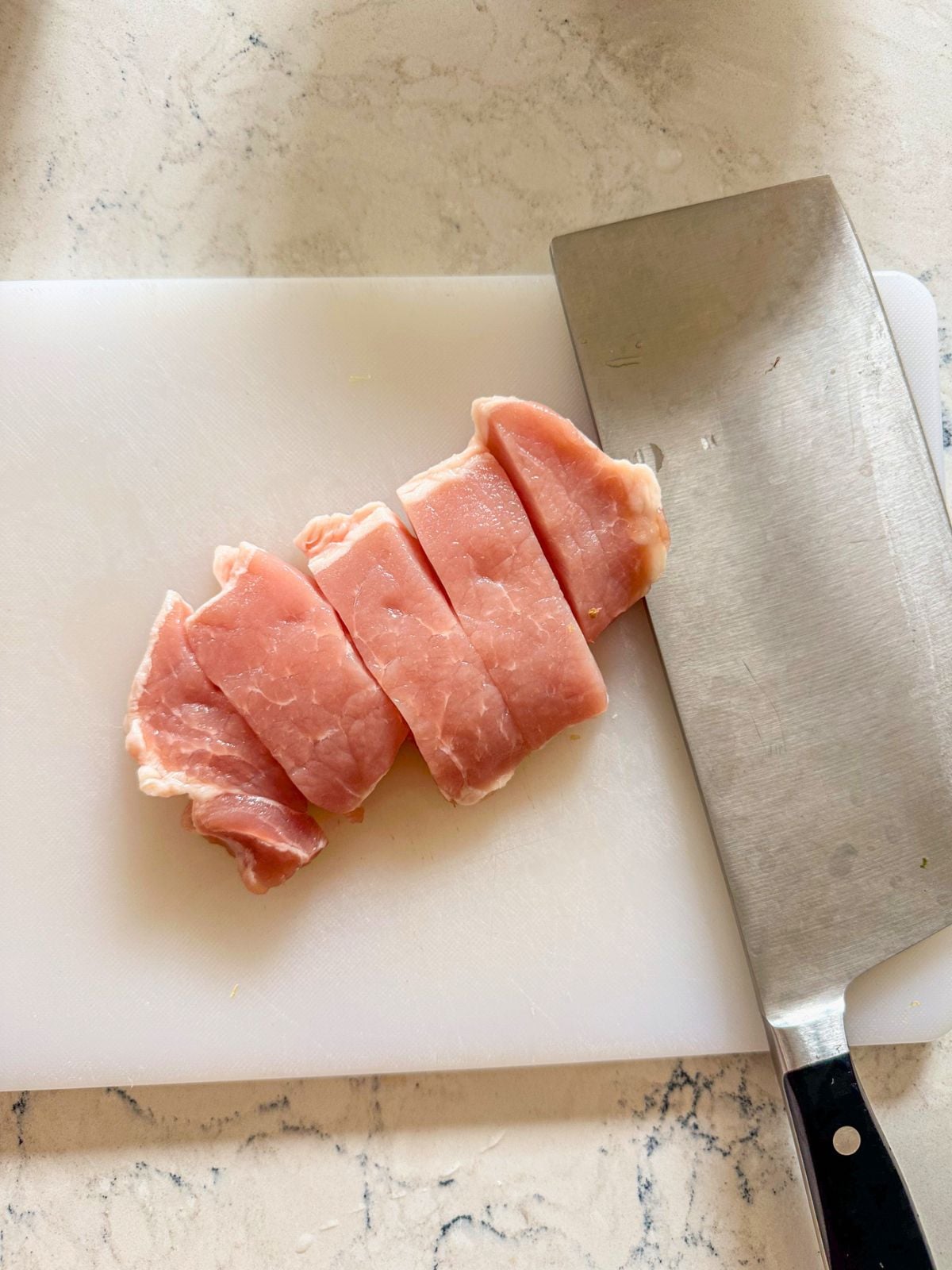
Step 3: Slice your pork loin in 3 inch pieces.
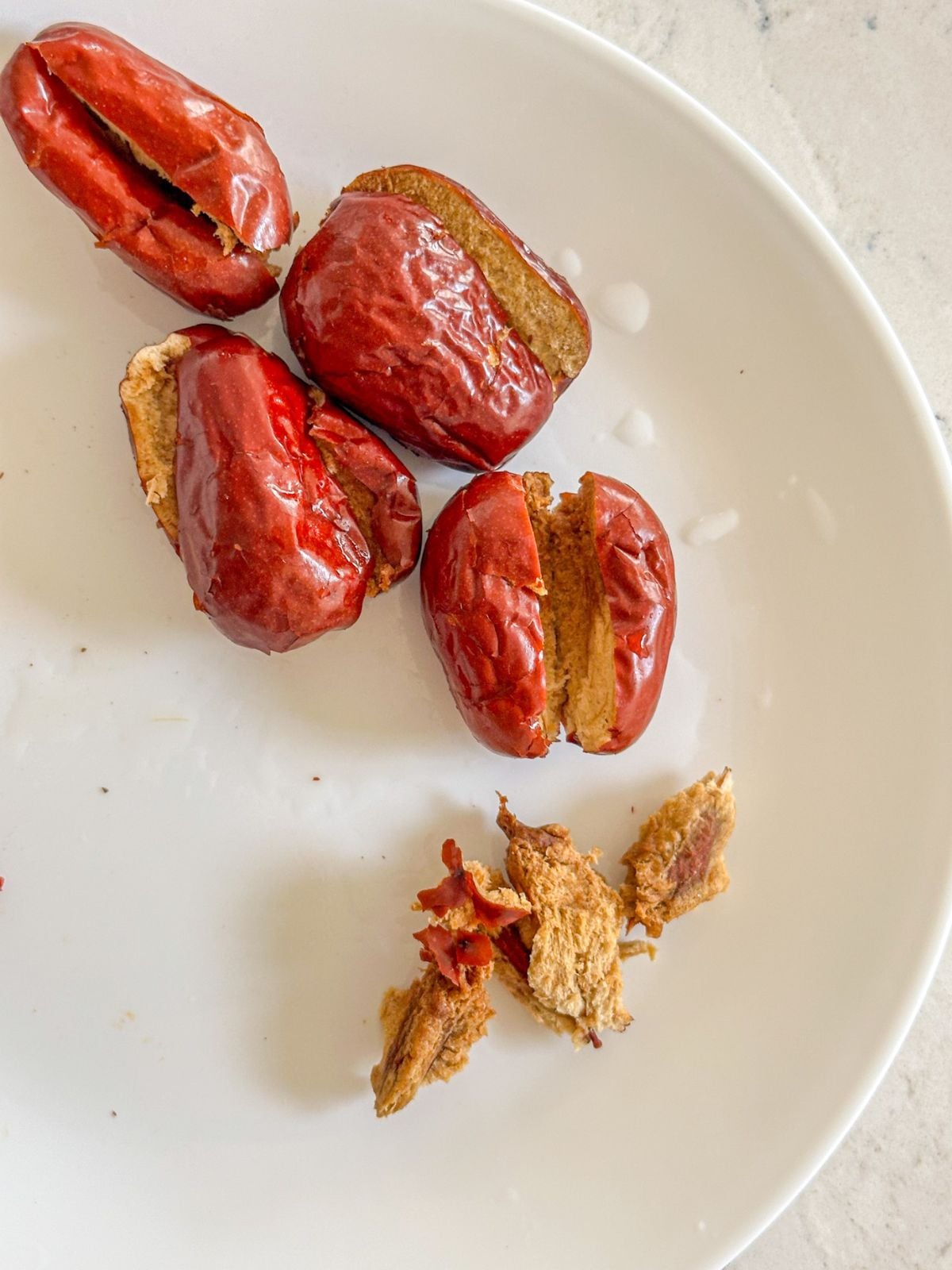
Step 4: Make a slit in the jujube and take out the seeds.
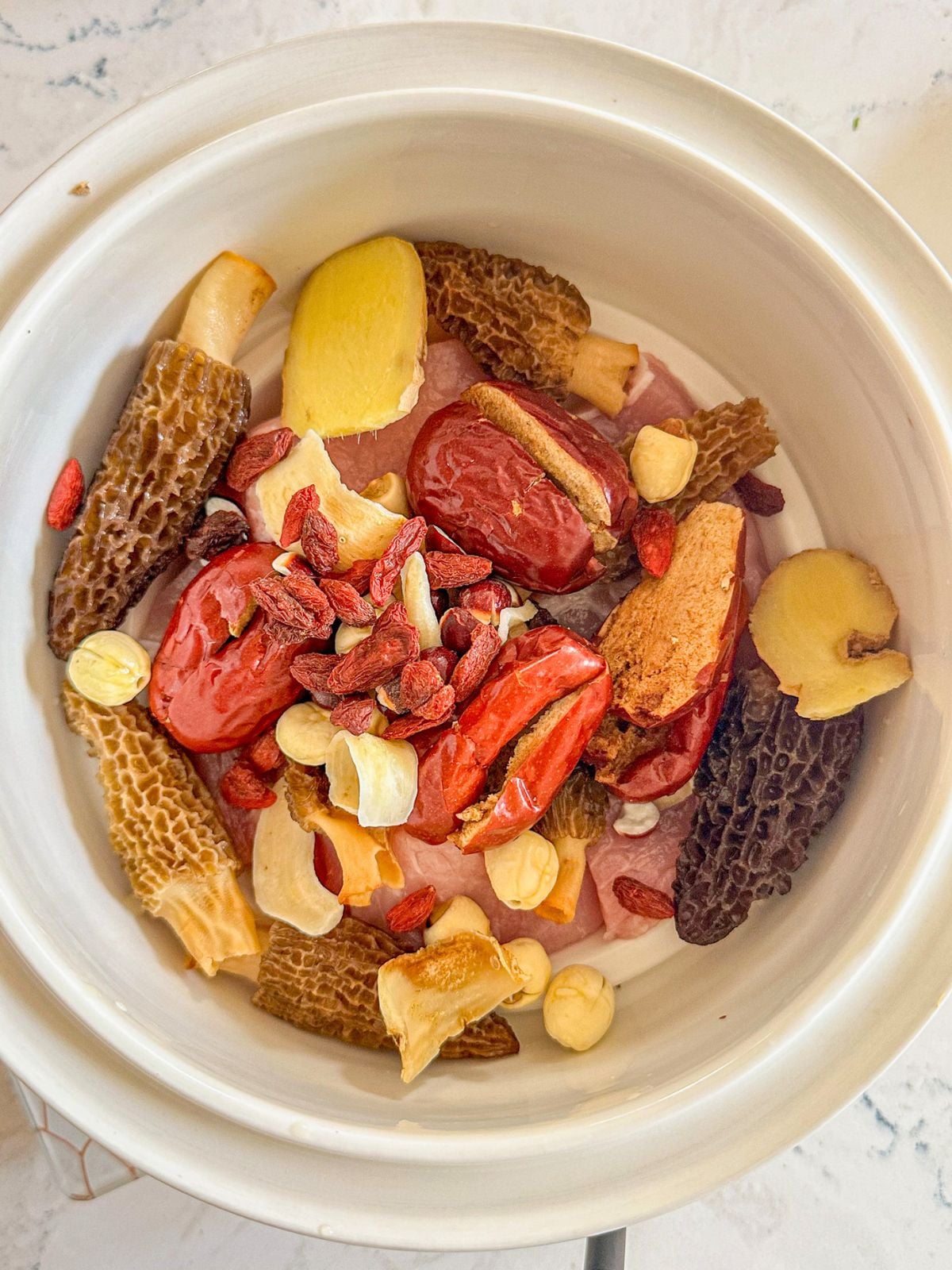
Step 5: Add all ingredients in a ceramic pot so you can double boil (’dun tang’) the soup.
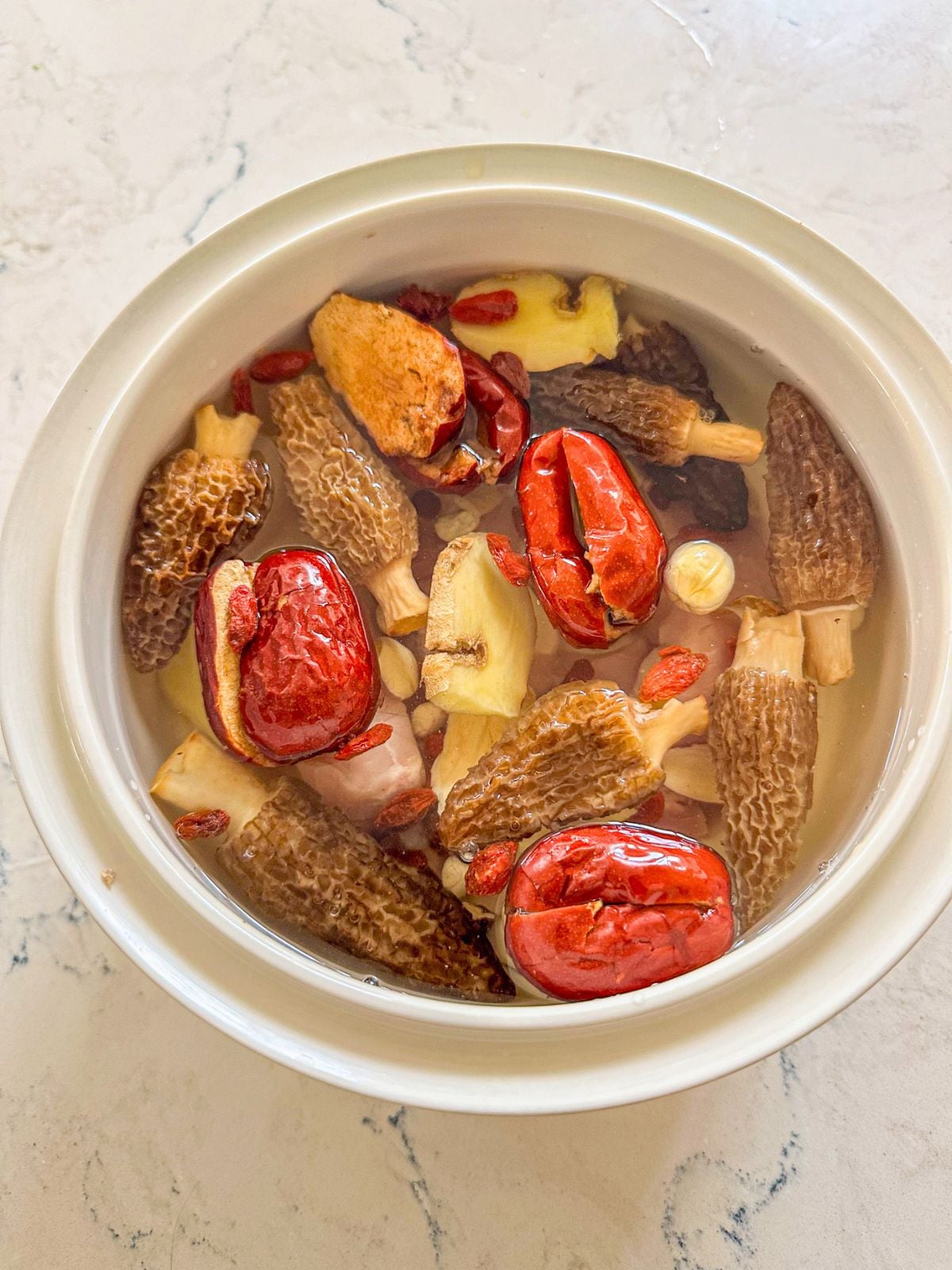
Step 6: Cover the soup with a lid. Then, cook the soup for 2-3 hours on your double boil machine or do the steam method in your large pot.
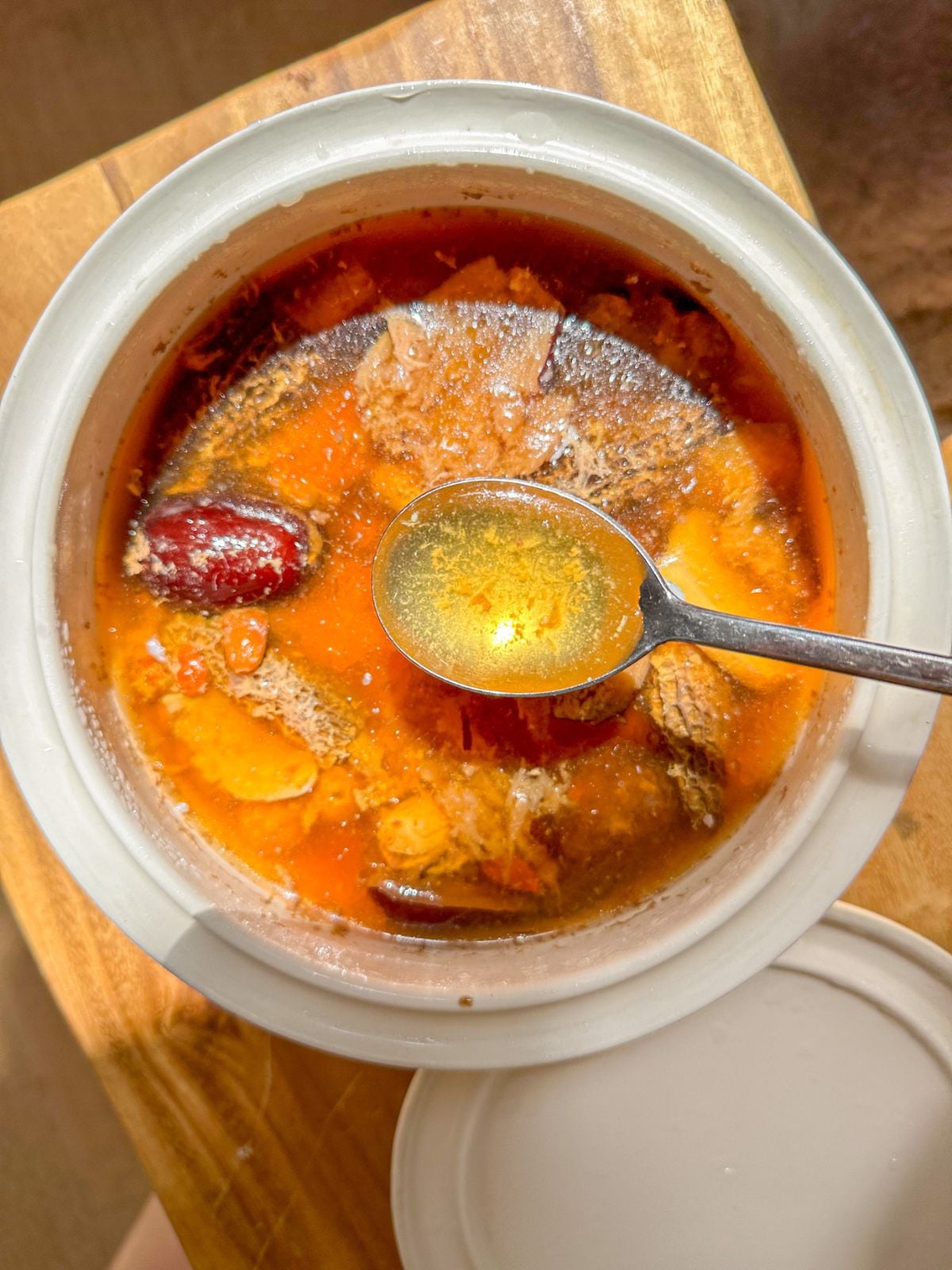
Expert Tips
- Soaking dried shiitake or morel mushrooms before cooking helps soften their texture and releases their natural earthy aroma. Make sure you rinse them well, there’s lots of sand and dirt inside them.
- Start with a small pinch of salt at the end of cooking and adjust gradually — the sweetness from the jujube, goji berries, and the natural flavors of the pork and mushrooms should be the highlight of the broth.
- Add abalone to the soup if you want the broth to taste more umami and sweet! This makes the postpartum soup more luxurious.
Cooking Methods for ‘Dun Tang’
This soup cooking method is called ‘Dun Tang.’ The soup ingredients are cooked inside this ceramic pot and submersed in a pot of boiling water. The ceramic pot seals the nutrients and is easier for postpartum moms to absorb protein, iron, and collagen without requiring her weakened digestive system to do the heavy work.
I highly recommend buying this electric stew pot (on the left below) because it does all the cooking with a press of a button. If you need to make it on the stove, you would have to watch the fire for 2-3 hours on low heat. Yes, you need this ceramic pot if you’re doing it on the stove top!
There are two different ways to cook the soup known as ‘Dun Tang.’ See methods below:
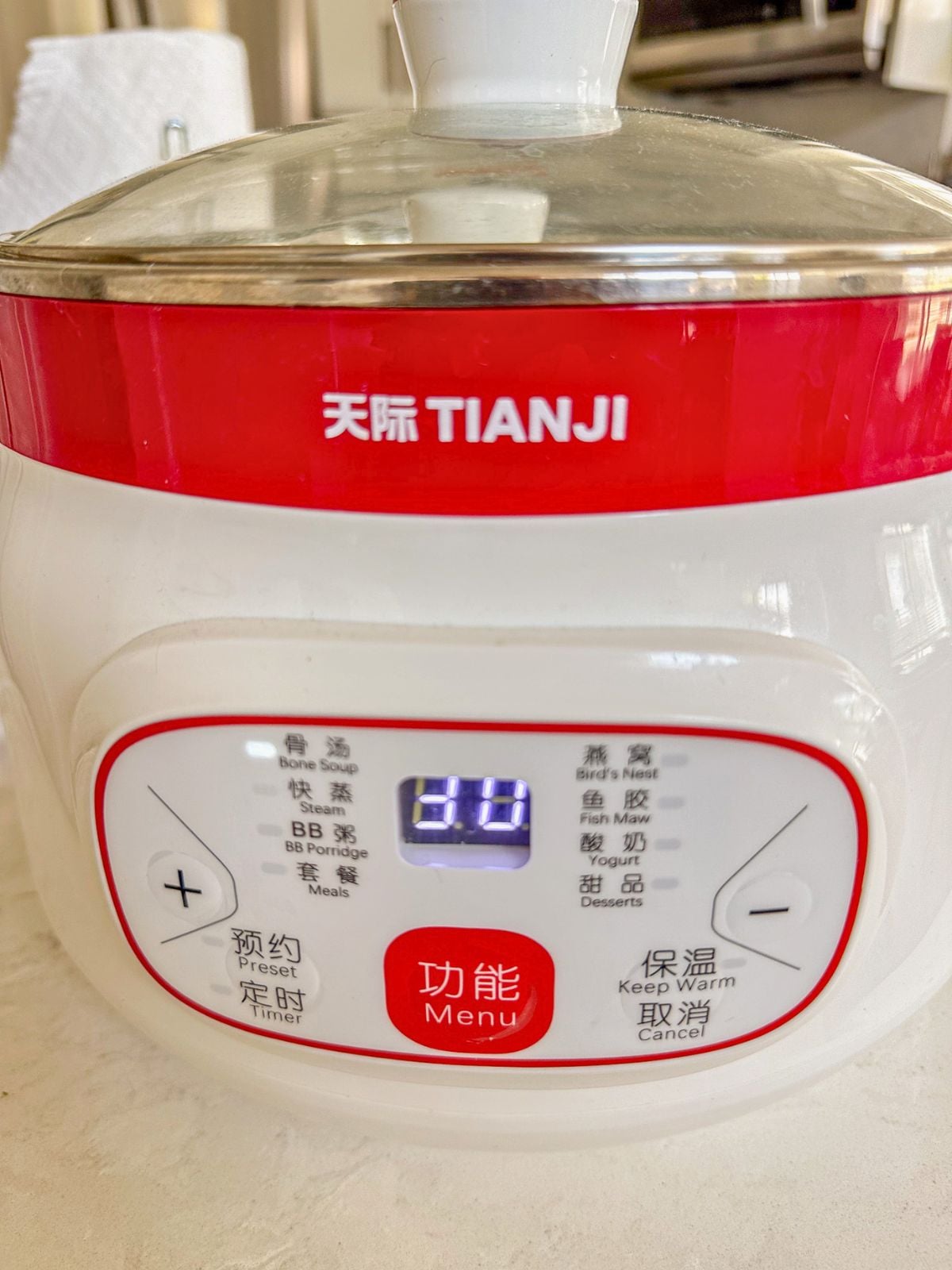
Cook the soup in an electric ‘dun tang’ pot by adding the ceramic pot inside and press the ‘bone soup’ option. This will cook the soup for 3 hours.
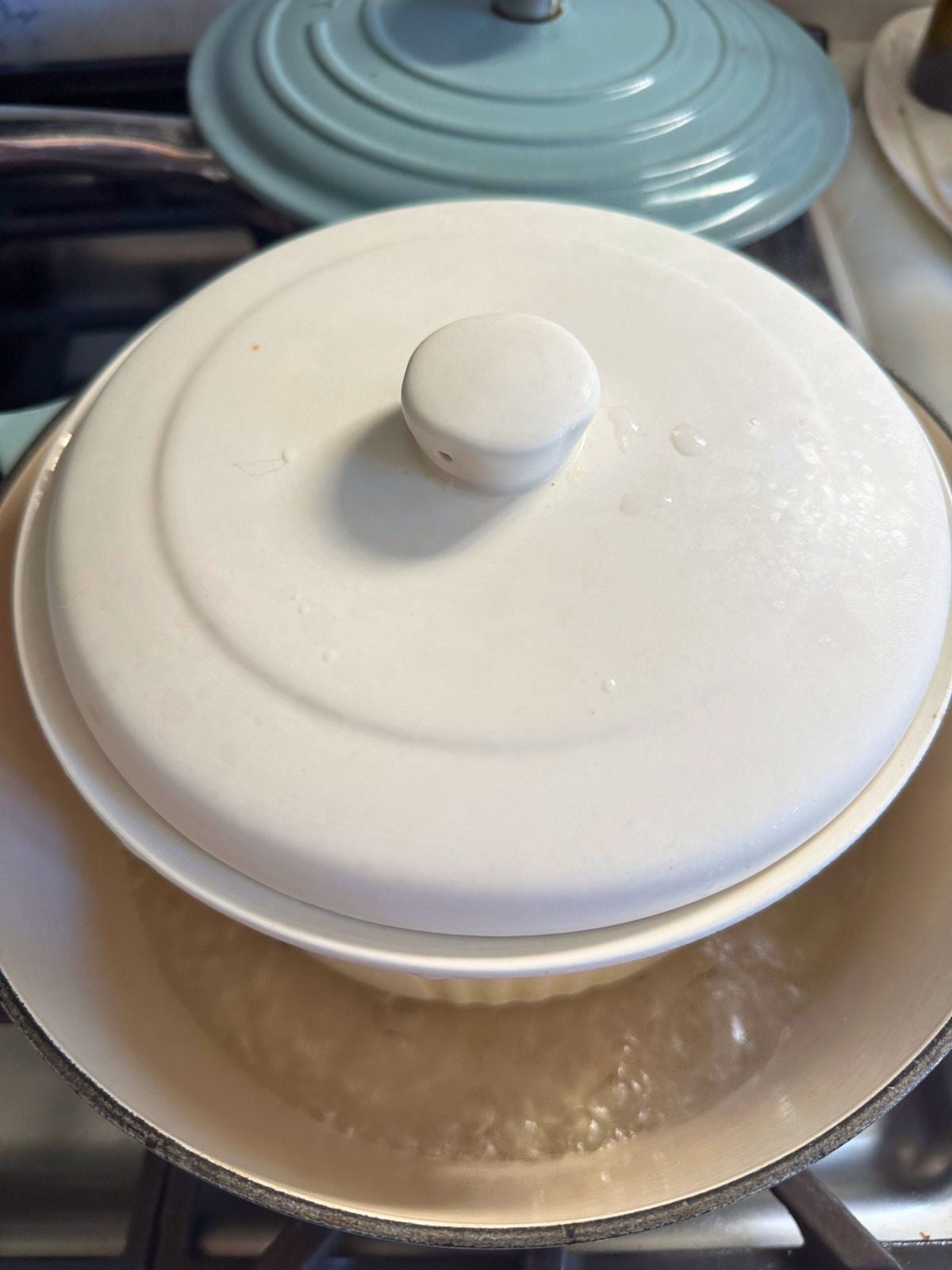
You may also cook this soup on the stovetop. Add your ceramic pot (with a lid!) inside a steam rack. Simmer for 2-3 hours on low heat. Make sure there is enough water at the bottom to avoid burning the pot.
Chinese Postpartum Soup Recipe FAQs
A double boiler is the traditional method to make this ‘dun tang.’ If you want to make this on the stovetop, you will need to the ceramic pot with a lid to cook the soup. Add the ceramic pot on a steam rack with boiling water. Turn heat to low and simmer for 2-3 hours.
This soup is so gentle and nourishing, anyone can drink this! The gentle flavors and warming ingredients make it perfect for anyone looking for a cozy homemade soup. I also love this Easy Tomato and Tofu Soup for anyone who is looking for a light and warm meal!
Postpartum soup is made specifically for new moms during the recovery period after childbirth. It usually includes warming ingredients like ginger, red dates, goji berries, and Chinese herbs that are traditionally used to nourish the body and support recovery. Regular Chinese herbal soups can be enjoyed by anyone and are made with different herbs and ingredients depending on their purpose.
I don’t recommend to freeze this Chinese postpartum soup. Chinese soup is meant to be enjoyed fresh so we can absorb all the nutrients. Especially during postpartum, eating fresh food is believed to be the medicine to a quick recovery!
This pairs well with steamed rice and other nourishing, comforting dishes like Soy Sauce Chicken. For a complete and satisfying meal, you can serve it alongside flavorful dishes like Chinese Stuffed Peppers or Chinese Eggplant with Garlic Sauce.


Chinese Postpartum Pork and Ginger Soup
Ingredients
- 200/1 grams/slice pork loin lean pork
- 3-4 jujube take out seeds
- 5 shiitake mushroom or morel mushrooms
- 4 cups water
- goji berries handful
- 3 dates or jujube
- 3 slices ginger
- Astragalus membranaceus, codonopsis root, Chinese Yam, polygonatum odoratum (Chinese herbs) optional
- salt to taste at end start with pinch of salt, this soup is not supposed to be too salty
Instructions
- Soak your morel mushrooms or shiitake mushrooms in water until rehydrated.
- (Optional step) If you are using Chinese herbs, make sure to rinse them in water.
- Slice your pork loin in 3 inch pieces.
- Make a slit in the jujube and take out the seeds.
- Add all ingredients in a ceramic bowl so you can double boil (’dun tang’) the soup.
- Cover the soup with a lid. Then, cook the soup for 2-3 hours on your double boil machine or do the steam method in your large pot.
Notes
- Soaking dried shiitake or morel mushrooms before cooking helps soften their texture and releases their natural earthy aroma. Make sure you rinse them well, there’s lots of sand and dirt inside them.
- Start with a small pinch of salt at the end of cooking and adjust gradually — the sweetness from the jujube, goji berries, and the natural flavors of the pork and mushrooms should be the highlight of the broth.
- Add abalone to the soup if you want the broth to taste more umami and sweet! This makes the postpartum soup more luxurious.

Ida says
Can you use chicken breast instead of pork if you don’t eat pork?
Dana Rao says
yes!
Sam says
This was so much easier to make than I expected. The broth came out so comforting and delicious. This is definitely a recipe I’ll keep in my rotation whenever I’m craving a nourishing homemade soup.